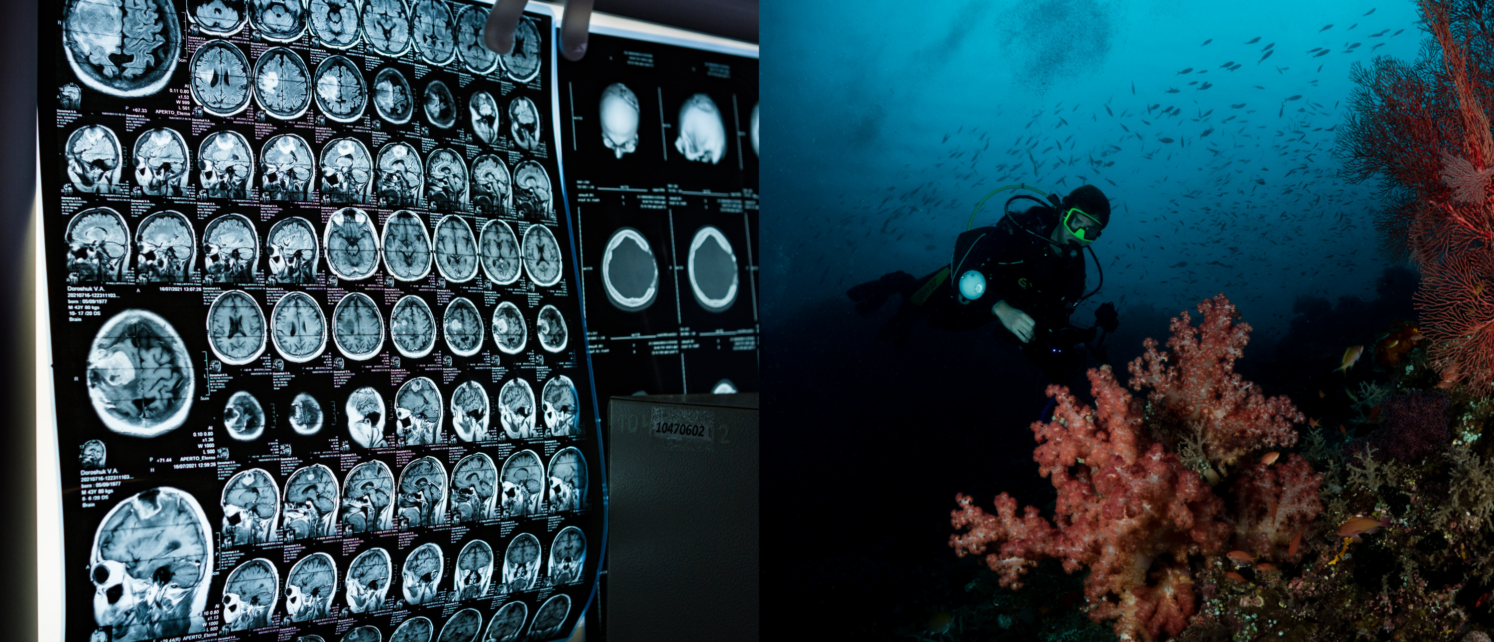
People are sometimes surprised when they learn our foundation’s two focus areas.
Ocean-based climate solutions and frontotemporal dementia (FTD) research and awareness. On the surface, they don’t seem to have much in common. But they emerged from the same realization.
The ocean found us through joy. FTD found us through grief. Both led to causes where our personal experience collided with a genuine gap in philanthropy. In each case, we encountered high-need issues that relatively few funders were supporting, where patient, flexible capital had the potential to make an outsized impact.


We grew up in Southern California, where the ocean shaped much of our childhood. As kids, we spent long days at the beach, chasing sand crabs in and out of the surf, delighting in the brisk water. But the real magic happened the first time we discovered a world underneath the waves. Snorkel masks and scuba gear became our most treasured possessions. We were happiest underwater, spending hours exploring coral reefs, marveling at the extraordinary diversity of life below the waves.
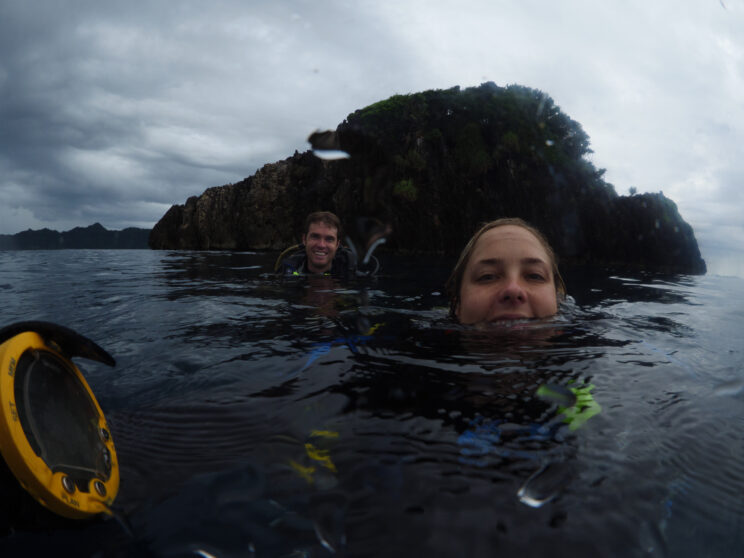
Returning to those places over the years, though, we began to notice they were changing. Reefs we’d once marveled at were bleaching. Marine ecosystems that had felt vibrant were deteriorating before our eyes. As we learned more, we realized there was a glaring gap between what the ocean does to sustain life on Earth and what it receives from us in return. The ocean plays an extraordinary role in regulating Earth’s climate, yet many of the solutions centered on protecting and strengthening it remain dramatically underfunded and under-researched.
That realization shaped our approach to climate philanthropy. We became interested in projects that could accelerate the ocean’s natural ability to address carbon pollution: promising solutions that require careful testing and research, and depend on risk-tolerant funding– exactly the kind of support we’re able to step in and provide.

Our second pillar emerged very differently.
In 2018, our dad was diagnosed with frontotemporal dementia, a fast-moving, often misdiagnosed form of dementia that affects personality, language, and behavior long before memory. Like many families, we were bewildered by the early signs and symptoms, spending many months and countless doctors’ appointments searching for answers. Even once we had a name for the disease, we found ourselves explaining FTD to everyone around us, including some of our dad’s own physicians. We searched for nonexistent treatments. We researched clinical trials. We watched our mom become a full-time caregiver while our dad– a man who had built his career on overlooked ideas– disappeared into a disease that itself had been overlooked.
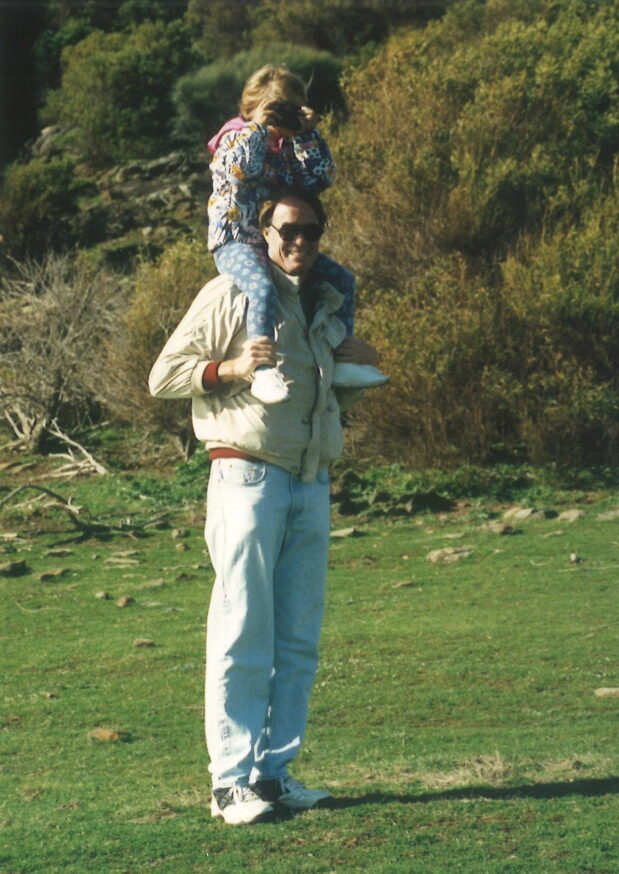
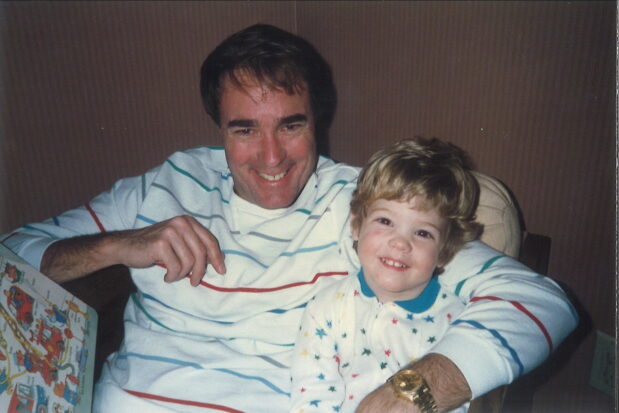
It was impossible to ignore how few resources existed for families facing FTD, and how much remained unknown about the disease itself. We knew early on that this would become part of our work. Not because philanthropy could change what had happened to our family, but because it was clear that thoughtful, targeted support might change what happens to the families that come after us.
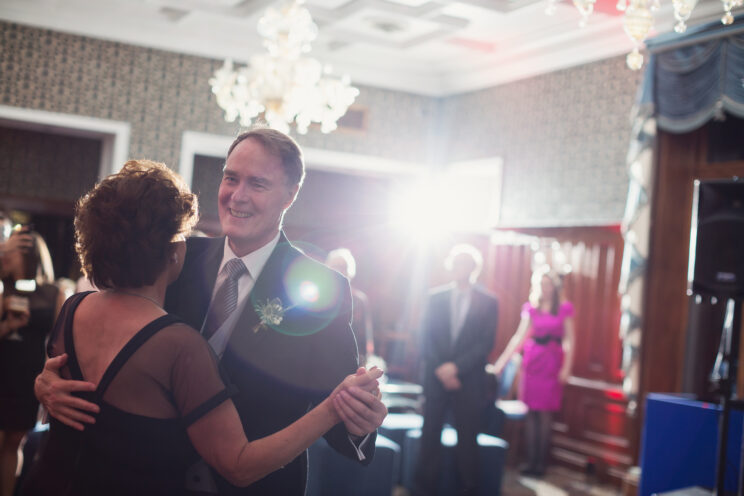
What ultimately connects these two pillars is the kind of philanthropy they require. Both fields sit at the frontier of research and development, where science is fast-moving but uncertain. Both are dramatically underfunded. And both reward the kind of capital that government grants and larger foundations are often too slow to deploy. As a family foundation, we can write the first check, take the bold bet, and stand by partners long before they have a track record to point to. Some of those bets won’t work. But the ones that do might reshape entire fields.
— Kasey & Ryan